The small tools I use to think clearly
Notebooks, scripts and habits that turn scattered reading into usable notes.
Published
30 August 2026 · 4 min read
I do not have an elaborate system for thinking. What I have is a handful of small tools and habits that turn scattered reading into notes I can actually use, and none of them is clever on its own. Together they make thinking a little easier, mostly by taking things out of my head and putting them somewhere I can look at them. That turns out to be one of the oldest problems in intellectual life, and the solutions people have found over the centuries are reassuringly similar.
Renaissance scholars faced an explosion of printed books and a familiar worry about remembering what was in them. Their answer was the commonplace book: a notebook in which a reader copied passages worth keeping, arranged under headings such as Friendship, Fortune or Death, so that they could be found again and reused in writing and speaking. Erasmus recommended the method to students, and it was taught in schools for generations. In 1706, two years after his death, John Locke’s own system for indexing a commonplace book was published in English. It used a simple grid of letters and vowels to make any heading findable in a few seconds, and it was still being printed in blank notebooks for sale a century later.
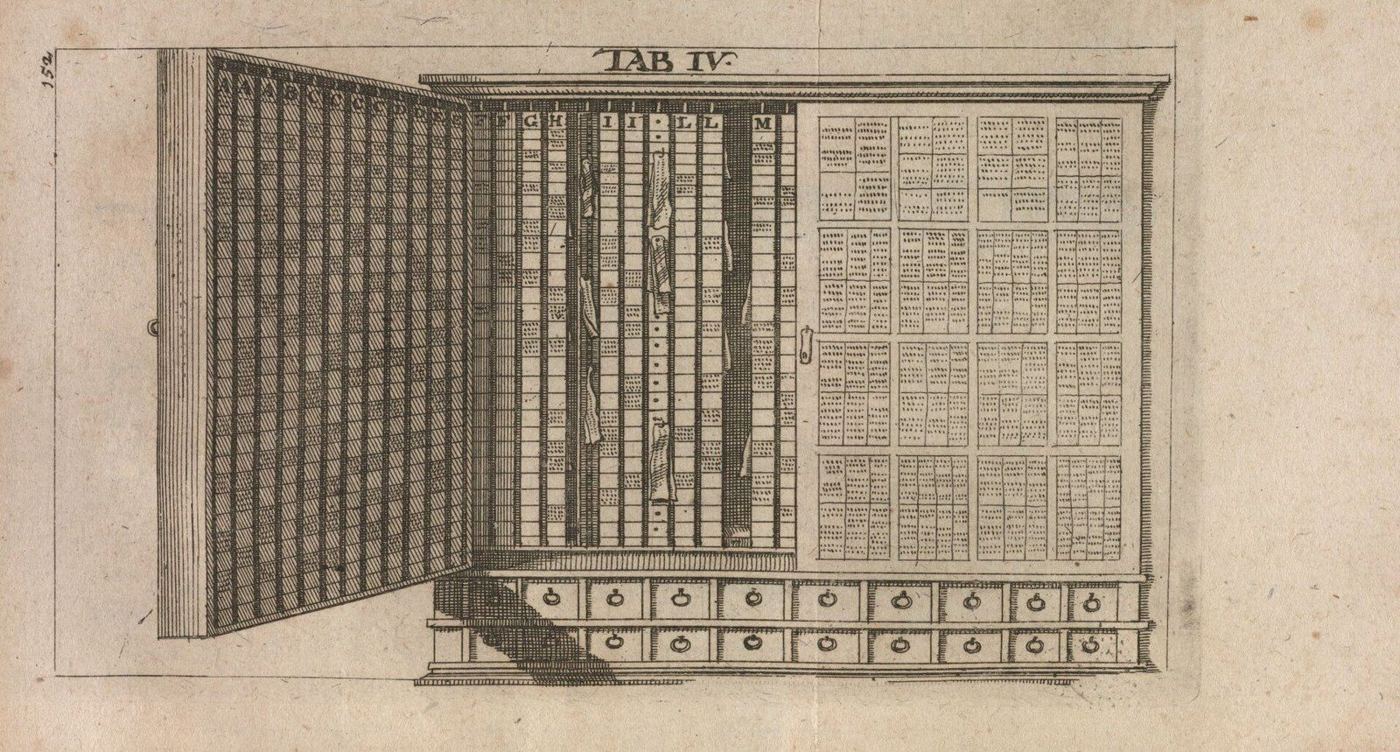
Some scholars went further. In the seventeenth century the English inventor Thomas Harrison designed a cabinet for notes, later described by the German scholar Vincent Placcius in a book on the art of making excerpts, published in 1689. Notes were written on slips of paper and hung on hooks under labelled headings, so that they could be rearranged as ideas developed. Gottfried Wilhelm Leibniz is said to have owned one. Carl Linnaeus, in the eighteenth century, moved from notebooks to small paper slips of a standard size for his work on classifying plants and animals, because slips could be shuffled and regrouped as his thinking changed. These are the ancestors of index cards and, eventually, of the note-taking software many people use today.
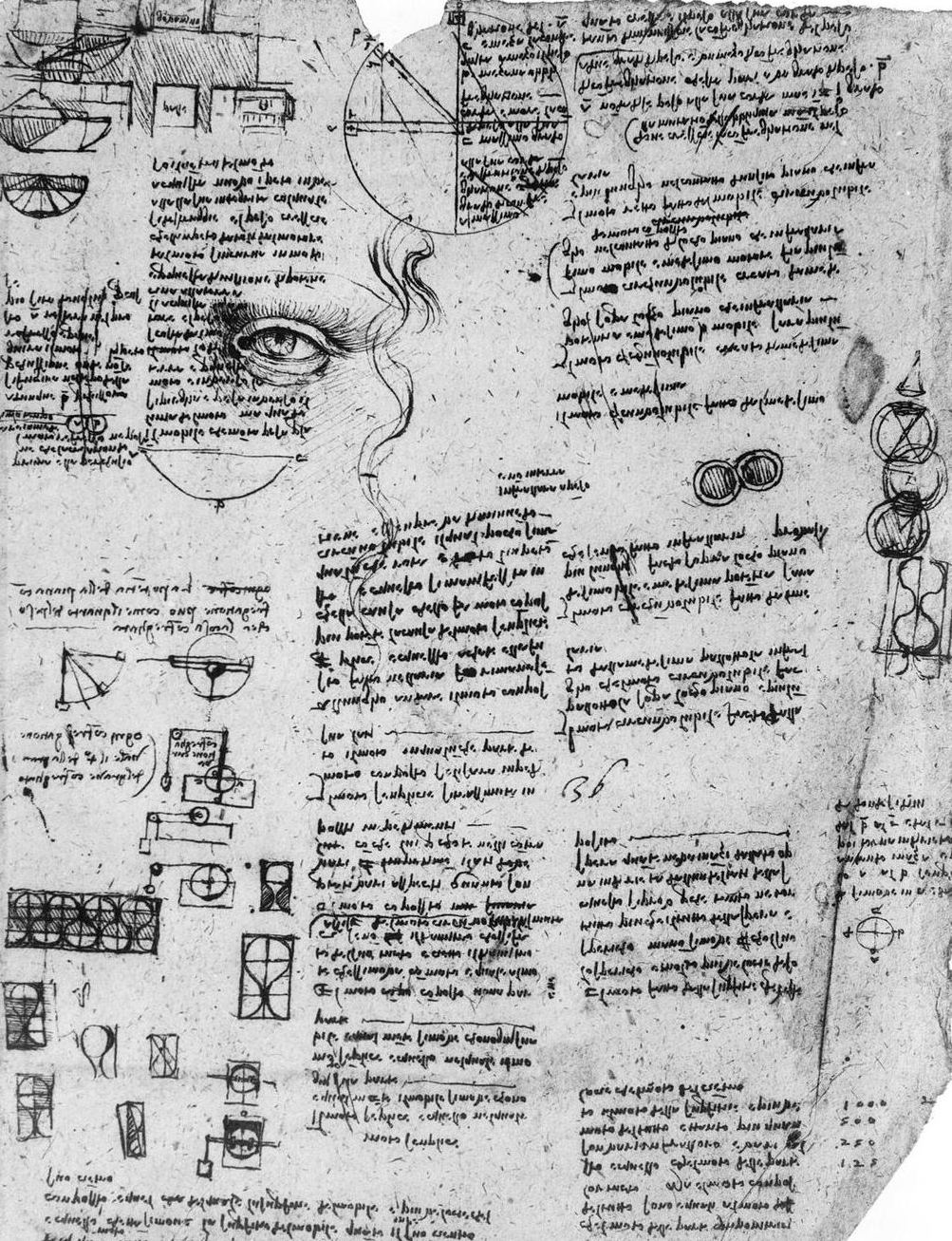
My own first tool is much simpler: a paper notebook. For first thoughts, nothing beats paper. It has no notifications, no formatting choices and no temptation to tidy. I use it for rough plans, questions that come up while reading, and sketches of ideas that are not yet ready to be typed. Once a week, anything worth keeping moves from paper into plain text, and the rest stays where it is.
The permanent notes live in plain text files, written in Markdown and kept in folders. Plain text is the most durable format there is. It will open on any computer in twenty years, can be searched instantly, and works with whatever tool I might switch to later, which matters more than any feature a particular app offers today. This website is built the same way: every article, lesson and book note you read here is a Markdown file in a folder.
Each note holds one idea, with a title that states the idea as a claim and links to related notes. The links matter more than the folders, because they let ideas from different books and subjects meet each other. I explain the method in more detail in the lesson How to take notes you will actually reuse, which owes a lot to the slip-box of the sociologist Niklas Luhmann, a twentieth-century descendant of Placcius’s cabinet.
Alongside the notes I keep a single running list of open questions: things I want to understand, puzzles that came up while reading, arguments I am not sure about. When I have time to study, I pick from the list instead of starting from nothing, and some of these questions grow into my one big question per month. A list of questions is a better guide to what to read next than a list of books, because it says what the reading is for.
A few short scripts do some of the clerical work. One collects every highlight I export from e-books into a single file. Another finds notes that have no links to anything else, which are usually either useless or waiting for a connection I have not made yet. A third builds a weekly list of what I added. Each took an afternoon to write and has paid for itself many times over.
None of this works without a weekly review. Every week I spend half an hour going through the notebook, the question list and the newest notes. I move things, link them, delete what no longer seems useful and decide what to work on next. Without that half hour, every system I have tried has turned back into a pile. The cabinets and commonplace books of earlier centuries had the same weakness. A note that is never looked at again might as well not exist.
The tool that does the most thinking, though, is writing for someone else. Notes help me remember. Writing a piece like this one forces me to decide what I actually believe, in what order, and with what evidence, and it exposes every place where my notes were vaguer than I thought.
There are also things I try to avoid. Switching apps every few months costs more than any new feature is worth. Building a system more complicated than the work it supports is a pleasant way of not doing the work. And collecting notes I will never use is a kind of hoarding that feels like learning but is not. The goal is clearer thinking, not a prettier archive, and the scholars with their slips and cabinets would, I suspect, have agreed.
Ayoub Khallok keeps this archive of essays, research, lessons and notes, written to understand things more clearly. More about Ayoub.
Enjoyed this piece? Follow along.
New essays, studies, lessons and notes arrive here a few times a month. There's no newsletter or algorithm, just an RSS feed for every section, so you can follow only what interests you.
SubscribeSubjectsTechnology
Filed inWriting