One big question per month
Picking a single question and reading everything I can on it for thirty days.
Published
20 June 2026
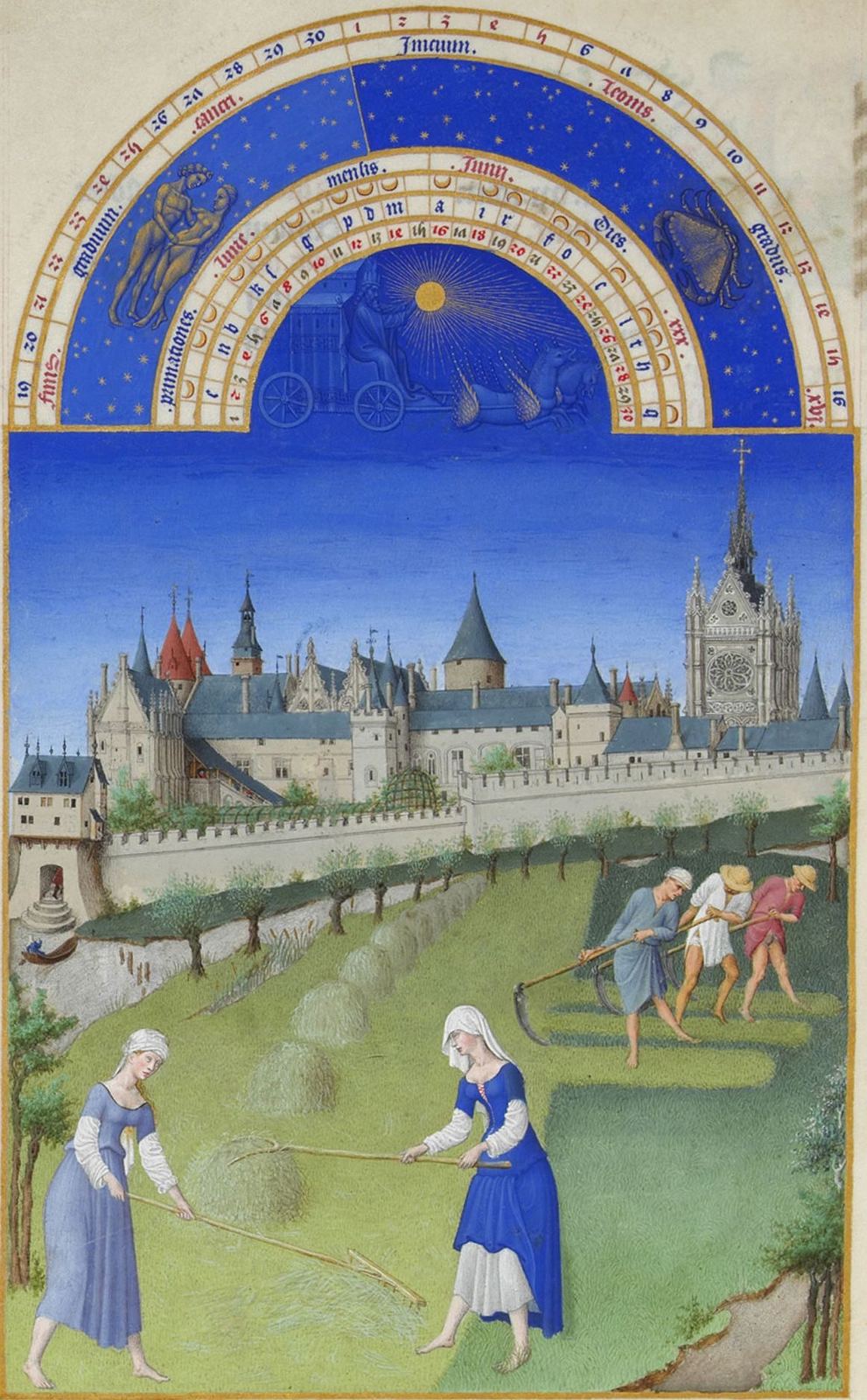
Reading widely is one of the pleasures of life, and I do not want to give it up. But reading widely rarely adds up to understanding anything deeply. A book on economic history, then a book on memory, then a long article on astronomy: each is interesting, and each leaves a few ideas behind, but they do not build on each other, and after a year I know a little about many things and not much about any of them. The idea here is to add a second, more focused kind of reading alongside the first. Each month, pick one big question and spend thirty days reading everything I can find about it.
Organising study around questions rather than subjects is an old method. In the medieval universities, one of the main forms of teaching was the disputed question, a formal debate on a single problem. Thomas Aquinas built his Summa theologiae in the same way, as a long series of questions. Each one begins by stating the strongest objections to the answer he will eventually give, then sets out his own view and replies to each objection in turn. Whatever one thinks of his conclusions, the method is admirable: you are not allowed to answer a question until you have stated the best case against your answer. Three centuries later Michel de Montaigne retired to a tower on his estate, lined the beams of his library with quotations, and spent years writing essays that circled around questions he could not settle. His motto was itself a question: Que sais-je? What do I know?
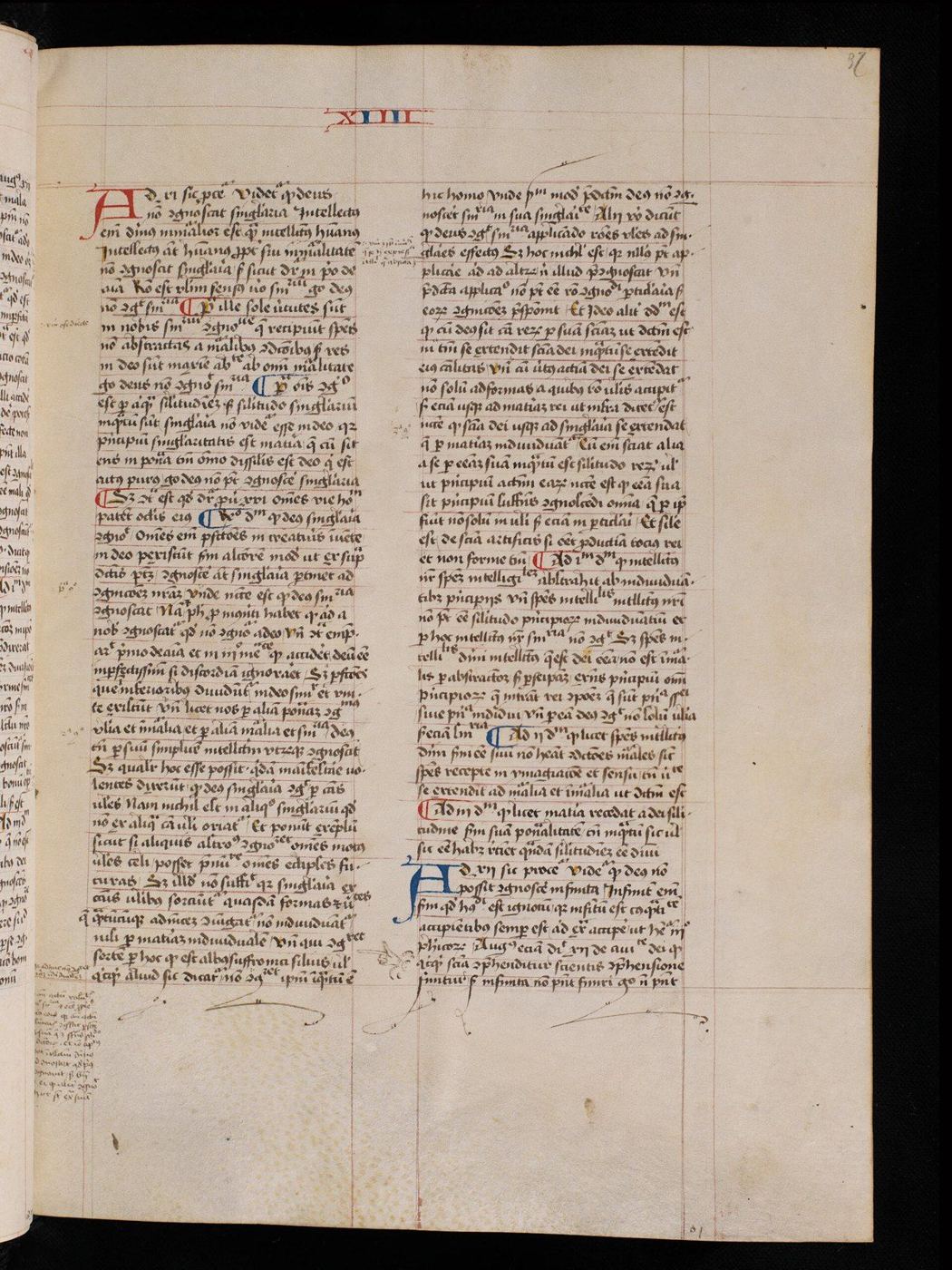
Not every question works for this. A good one has to be big enough to have several serious answers, held by thoughtful people who disagree. “Why did the Industrial Revolution start in Britain?” works, because historians and economists have argued about it for a long time and offered very different explanations, from coal and high wages to institutions, culture and empire. “When did it start?” does not, because it is mostly a matter of definition. A good question also has to be small enough to make real progress on in a month, using books, papers, lectures and conversations. And it has to be genuinely open for me. If I already think I know the answer, I should pick another question, because the exercise would turn into collecting support for a conclusion I had reached in advance.
There is no shortage of candidates. Why do some regions grow rich while their neighbours stay poor? How does memory actually work, and what can we change about it? Why did modern science take off in early modern Europe rather than somewhere else? What makes a market efficient, and when does it stop being so? Is there such a thing as a good life, and how would we know if we were living one? Each of these could fill a lifetime. A month is enough to understand the main positions, read their best defenders, and see where the real disagreements lie.
The routine I have in mind follows the shape of a disputed question. In the first week, I read the best overview I can find, a survey article, a good introductory book or a set of lectures, and use it to map the main positions and the evidence each relies on. In the second and third weeks, I read the strongest version of each position, including, and especially, the ones I am inclined to disagree with. The aim is to be able to state each view well enough that its own defenders would accept the summary. In the fourth week, I write a short essay with my current answer, the evidence that persuades me most, the objection I find hardest to answer, and what would change my mind.
That essay goes on this site, even when the honest answer is “I still do not know, but here is how I would find out”. A question that remains open after a month of reading is not a failure. It is a more precise version of the question, which is often the most useful thing study can produce.

Why a month, and not a week or a year? A week is too short to get past the overviews, which tend to present a tidy consensus that falls apart once you read the specialists. A year is too long to stay focused, and too long to wait before writing anything down. A month seems about right: long enough to change my mind at least once, and short enough that there will be twelve questions by the end of the year, each with an essay attached.
Ayoub Khallok keeps this archive of essays, research, lessons and notes, written to understand things more clearly. More about Ayoub.
Enjoyed this piece? Follow along.
New essays, studies, lessons and notes arrive here a few times a month. There's no newsletter or algorithm, just an RSS feed for every section, so you can follow only what interests you.
SubscribeSubjectsLearning, Philosophy
Filed inIdeas